Collaboration with Guam Regional Medical City and Guam Fire Department Uses Connectivity to Help Advance Emergency Cardiac Care
(Tamuning, Guam) Tuesday, Agusut 18, 2026 – GTA is supporting an innovative collaboration with Guam Regional Medical City (GRMC) and the Guam Fire Department (GFD) that is helping transform emergency cardiac care on Guam through Bluetooth-enabled pre-hospital electrocardiogram (EKG) technology. The technology allows critical patient information to reach cardiac teams before a patient even arrives at the hospital, helping life-saving treatment begin sooner.
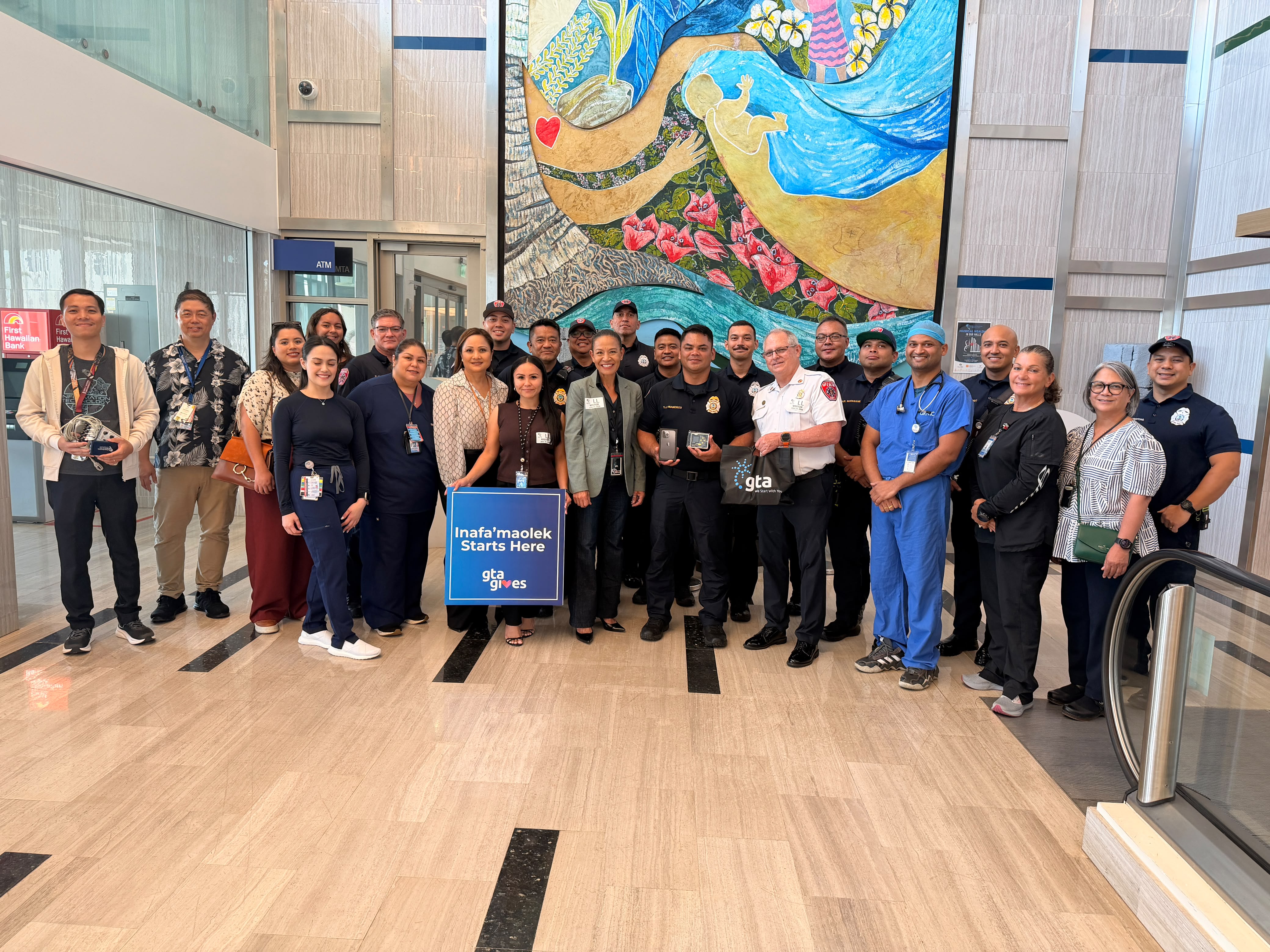
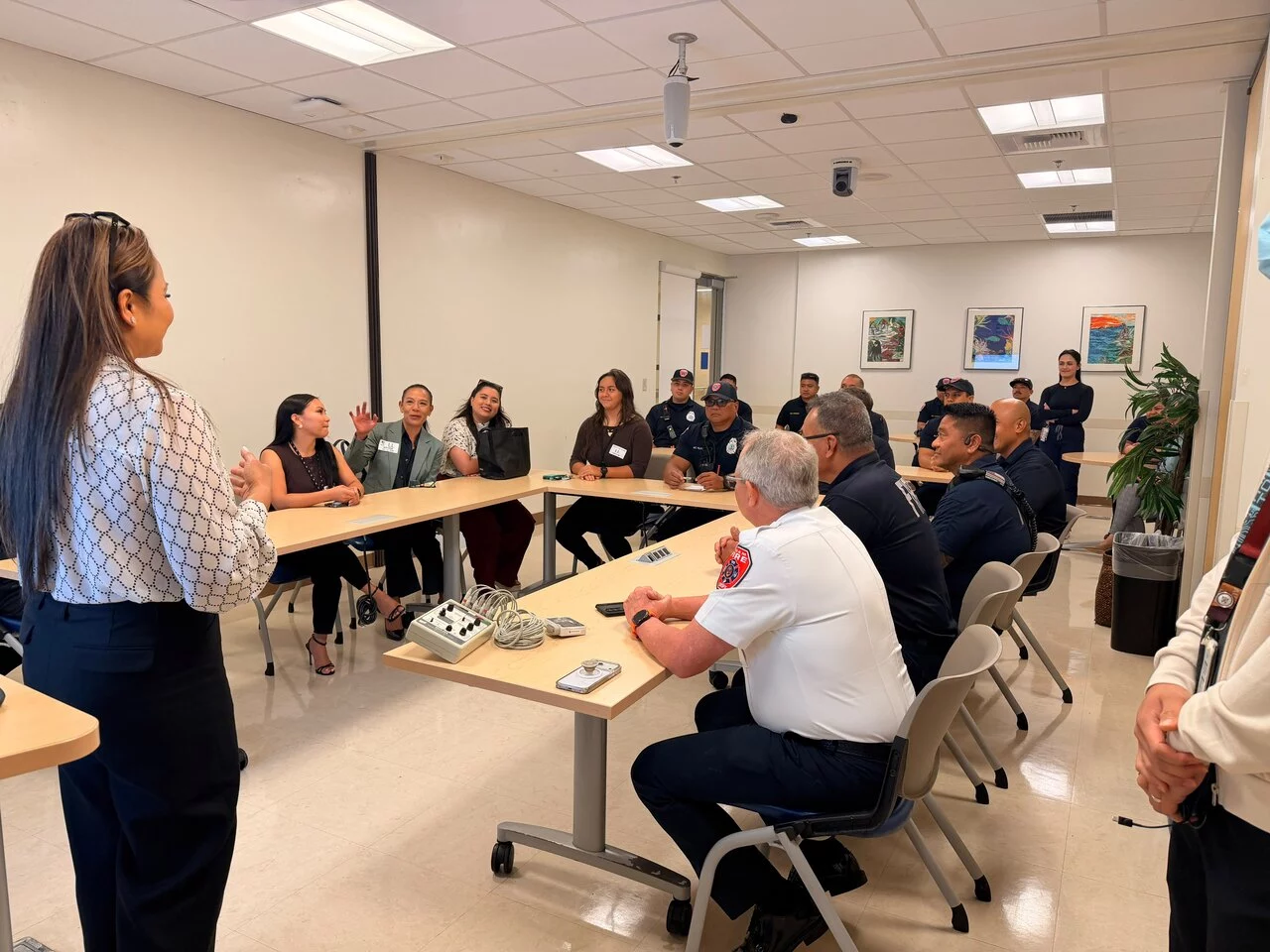
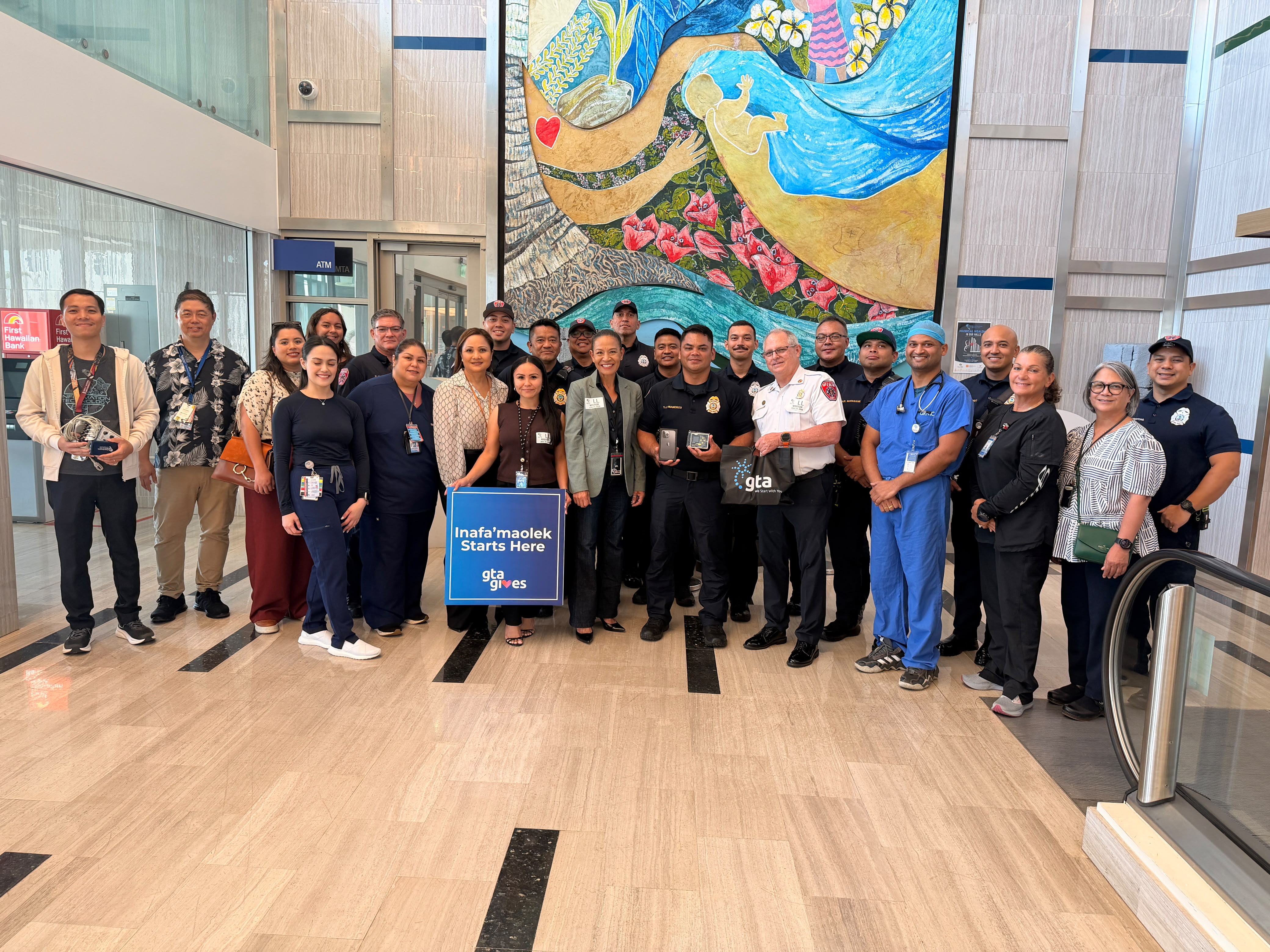
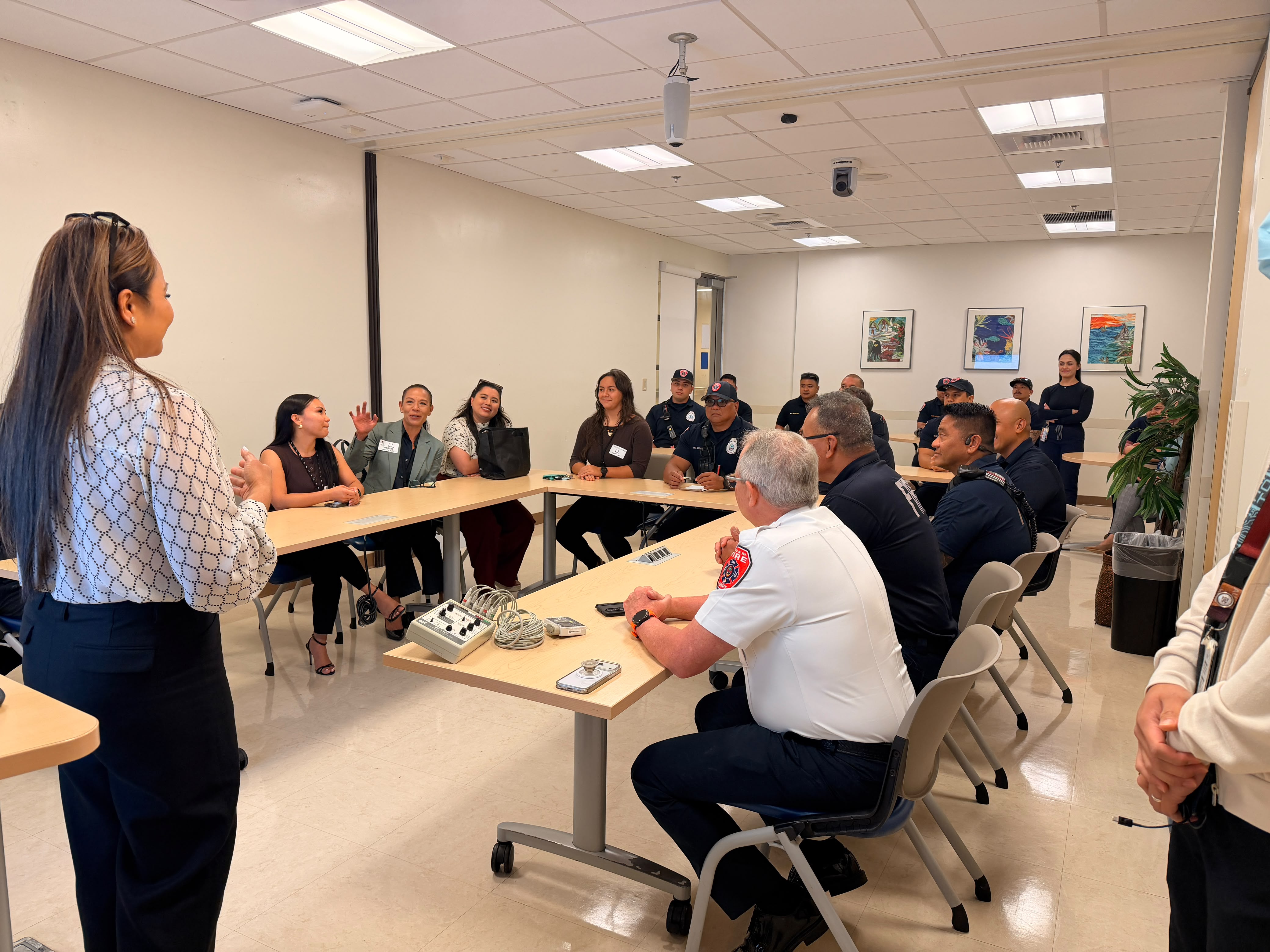
As part of the initiative, GRMC donated Norav Bluetooth-enabled EKG machines, while GTA donated eight iPhone 13 devices to support the wireless transmission of EKGs from the field. Together, these technologies enable emergency medical personnel to perform a 12-lead EKG in the ambulance and securely transmit the results directly to the receiving cardiac team, allowing physicians to evaluate patients and prepare for treatment while they are still en route to the hospital.
For patients experiencing a ST-elevation myocardial infarction (STEMI), a severe type of heart attack caused by a completely blocked coronary artery, every minute is critical.
“Time is muscle,” said Dr. Maheswara “Mahesh” Golla, GRMC Director of Cardiology/Interventional Cardiologist. “The longer the heart muscle is deprived of blood flow, the greater the damage. By receiving the EKG before the patient arrives, we can identify a STEMI earlier, activate the Cath Lab team immediately, and prepare for treatment before the patient reaches our doors. Those saved minutes can make a life-changing difference.”
Previously, emergency teams often had to wait until a patient arrived at the hospital before an EKG could be reviewed and the Cardiac Catheterization Laboratory (Cath Lab) team activated. Because on-call staff may require 15 to 30 minutes to travel to the hospital, valuable treatment time could be lost. With pre-hospital EKG transmission, physicians can review the EKG remotely, confirm the diagnosis, notify the Cath Lab team, prepare equipment, and have everything in place before the ambulance arrives.
By reducing delays in treatment, the technology helps improve door-to-device time, the nationally recognized benchmark measuring how quickly a blocked artery is opened after a heart attack is identified. Faster treatment means more heart muscle can be preserved, reducing complications and improving a patient’s chances of recovery.
“This initiative represents our continued commitment to investing in innovation that directly benefits the people of Guam,” said Jennifer Cruz, MSN, RN-BC, GRMC Chief Nursing and Ancillary Officer. “Working together with our community partners, we’re creating a faster, more coordinated emergency response system that gives patients access to advanced cardiac care when every second matters.”
The initiative reflects the strength of collaboration across Guam’s healthcare and telecommunications communities. By enhancing communication between first responders, emergency departments, cardiologists, and Cath Lab teams, patients can receive faster, more coordinated care regardless of where their emergency begins.
For GTA, the partnership is another example of how connectivity and technology can make a meaningful difference beyond traditional communications. By supporting tools that allow critical medical information to move securely and quickly between first responders and healthcare providers, GTA is helping strengthen the systems that serve Guam’s community when every second counts.
GTA continues to invest in technology, network resilience, and community partnerships that help move Guam forward. From supporting emergency preparedness and critical services to expanding access and connectivity across the island, GTA remains committed to using its resources and technology to strengthen the communities it has served for nearly 75 years.
Through the collaboration between GTA, GRMC, and GFD, technology is helping create a more connected emergency response system and giving healthcare teams valuable time to prepare for patients experiencing life-threatening cardiac emergencies.